30 READINGS / TWO LANGUAGES全30本 / 英語・日本語
Kyudo & everyday life.弓道と、生き方。
Explore practice, attention and the way we live through thirty illustrated readings based on Kensuke Ueoka’s 道 The Way of Soul.上岡賢輔『道 The Way of Soul』をもとに、稽古、心のあり方、日々の生き方を考える、画像付きの30本のコラムです。
About the source & images出典と画像について
These are editorial drafts based on the manuscript, for author review. They have not yet been checked against the final published edition. Page references are manuscript pages, not published-edition pages. The English text translates these editorial columns; it is not quoted from an English edition. English section titles are translations for reference, not verified official titles.原稿ベースの著者確認用編集稿です。刊行最終版との照合は未完了です。出典頁は61頁原稿の頁番号で、刊行版の頁番号ではありません。英語はこの編集コラムの翻訳であり、英語版書籍からの引用ではありません。英語の章節名は参照用の訳で、正式英語題として確認したものではありません。
Third-person editorial explanation, not first-person author testimony. Technical passages are not unsupervised practice instructions. No performance guarantees. Religious material reflects the author’s personal interpretation, not a participation requirement. Article 30 applies the manuscript to camp follow-up as an editorial proposal; the book does not describe a camp. First-time day experiences and camps for experienced overseas practitioners remain distinct.第三者による編集解説で、著者本人の一人称の証言としては書いていません。技術記事は単独練習の手順書ではなく、成果を保証しません。宗教的記述は著者個人の解釈で、参加条件ではありません。30番の合宿後への適用は書籍外の編集提案です。初心者の日帰り体験と海外経験者向け合宿を区別します。
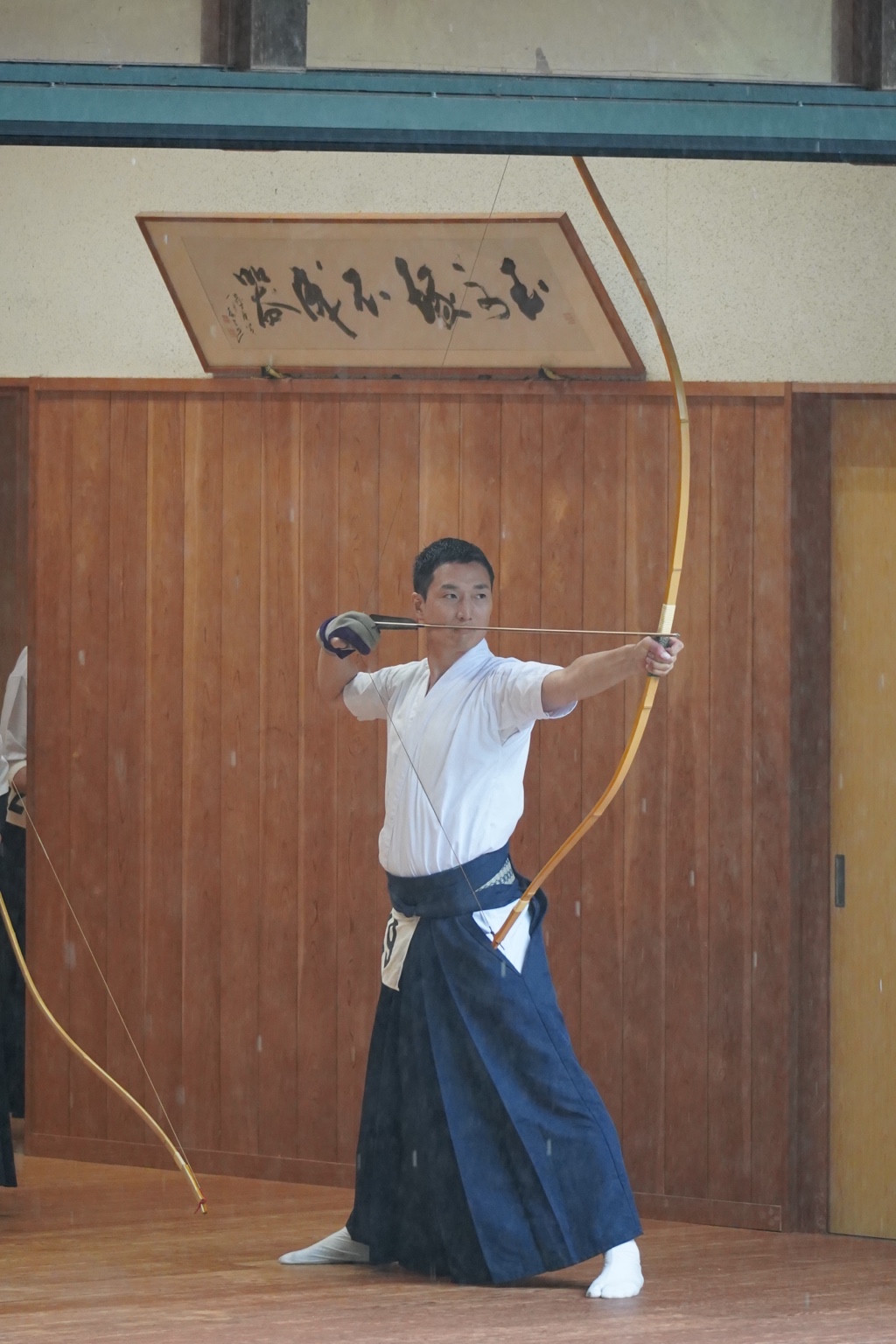
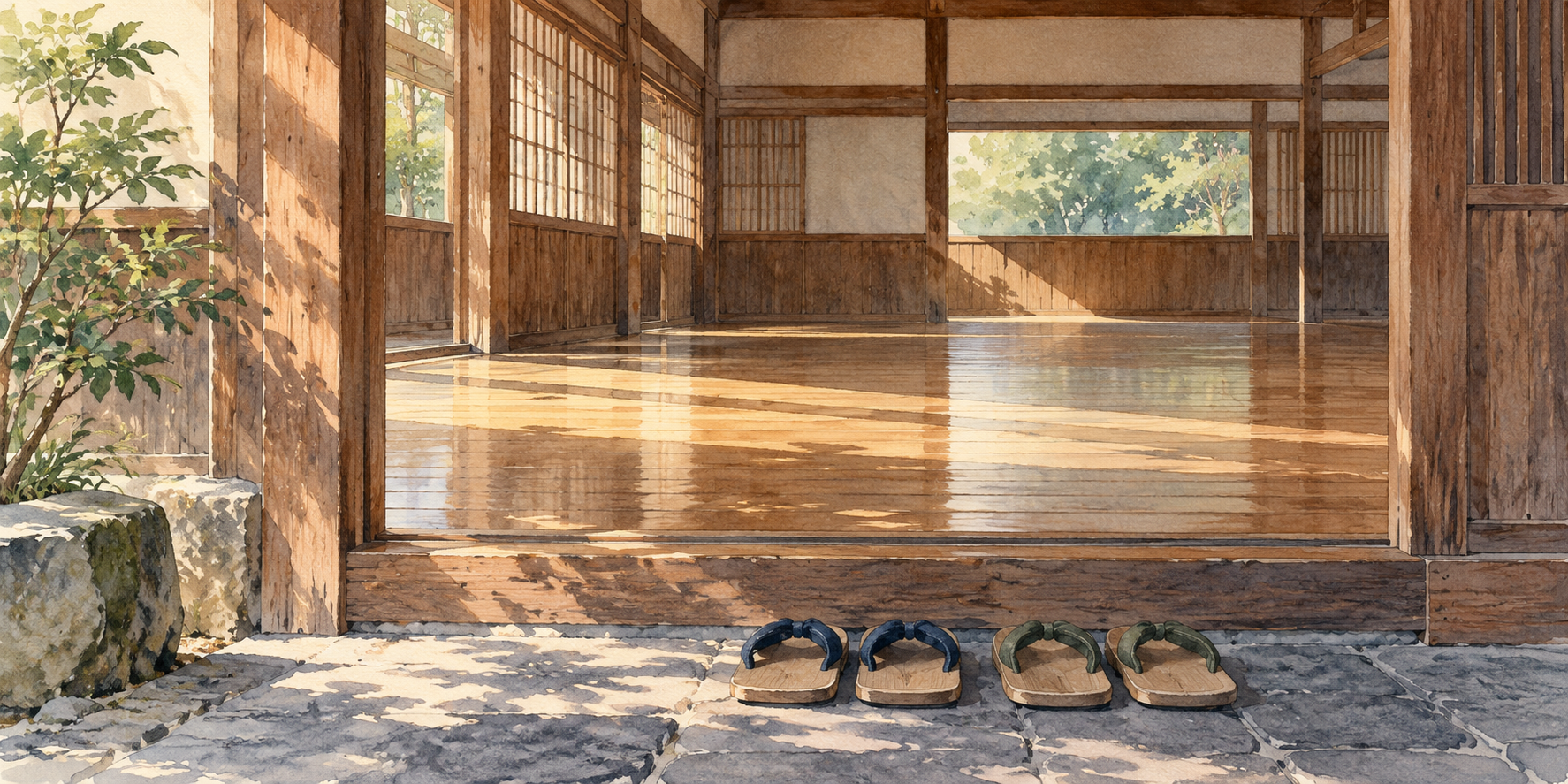
Photographs are owner-supplied. AI illustrations are fictional contextual images, not documentary photographs or technical diagrams.写真は本人提供。AI生成イラストは架空の情景で、記録写真や技術図ではありません。
All readers共通
From Technique to the Way術から道へ
Many people first understand kyudo as the skill of sending an arrow into a target. In The Way of Soul, Kensuke Ueoka also considers how learning that skill can become an opportunity to examine the way we conduct ourselves.弓道を、的に矢を当てる技術として知る人は多いでしょう。上岡賢輔著『道 The Way of Soul』は、その技術を身につける過程で、自分の在り方を問い直すことにも目を向けます。
All readers共通
Valuing Accuracy Without Chasing It Alone的中を大切にしながら的中だけを追わない
A hit feels satisfying; a miss can be disappointing. Can we acknowledge those feelings without judging an entire practice session by its results? The book approaches this question through Ueoka's experience of learning from his teacher.的に中るとうれしい。外れると悔しい。その気持ちを否定せずに、結果だけで稽古全体を評価しない視点を持つことはできるでしょうか。本書の弓道の章は、この問いを師との学びから考えます。
All readers共通
Practice Begins Before the Shot弓を引く前から始まる稽古
If we watch only the moment an arrow is released, kyudo can appear to be a repetition of brief movements. In this book, standing, sitting, walking, and bowing are also part of the practice of drawing the bow.矢を放つ瞬間だけを見ていると、弓道の稽古は短い動作の繰り返しに見えるかもしれません。本書では、立つ、座る、歩く、礼をするという時間も、弓を引く営みと切り離されていません。
All readers共通
Rei as Respect for People and Place礼で表す場と相手への敬意
How would you explain why people bow in a dojo? Before answering simply that it is the rule, it is worth asking whom or what that action acknowledges.道場で礼をする理由を尋ねられたら、何と答えるでしょうか。決まっているから、とだけ説明する前に、その形が誰に、何に向けられているのかを考える余地があります。
All readers共通
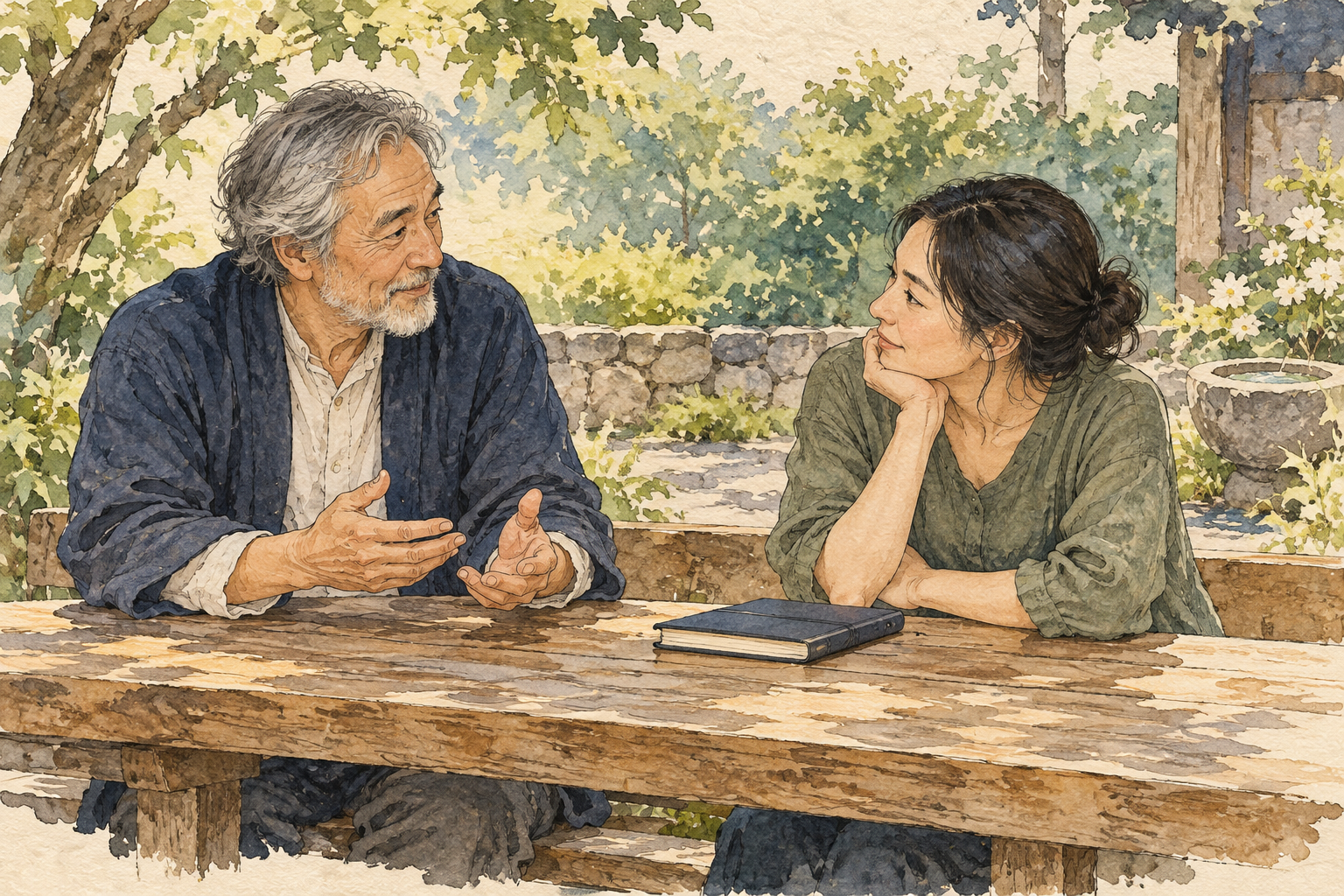
What a Teacher Gives Us First師から最初に受け取ったもの
The value of a lesson is not always apparent when we first receive it. Looking back on his teacher's instruction, Ueoka remembers the foundations of how to stand before the bow more strongly than any demand for immediate accuracy.教えの価値は、その場ですべて分かるとは限りません。著者が師との学びを振り返る時、強く残っているのは、的中を急がせる言葉よりも、弓の前に立つ人としての基本でした。
All readers共通
Ikiai and Connected Movement息合いから考える動作のつながり
The book describes ikiai as bringing breathing and movement into harmony. Rather than treating breathing as a separate technique, the term draws attention to the connected actions of standing, walking, and preparing the bow.弓道の「息合い」は、本書では呼吸と動作を調和させることとして説明されています。呼吸を独立した技法として扱うだけでなく、立つ、歩く、弓を構えるといった動きの連なりに目を向ける言葉です。
Experienced practitioners経験者向け
Tanden as a Point of Return丹田という身体の中心の捉え方
What does it mean to return one's attention to the tanden? The book describes tanden as a place in the lower abdomen that is attended to as the body's center, and uses it as a reference when discussing movement and composure.「丹田へ意識を戻す」という表現は、何を示しているのでしょうか。本書では丹田を、下腹部にある身体の中心として意識される場所と説明し、動作や気持ちを整える際の手掛かりとして扱っています。
Experienced practitioners経験者向け
Mezukai and the Direction of Attention目づかいと注意の向け方
Mezukai, the use and direction of the eyes in kyudo, involves more than simply keeping the eyes open. The book presents learning where and when to look as something connected with the attention brought to a shot.目づかいとは、ただ目を開けていることではありません。本書では、どこを、いつ見るかを学ぶことが、射に向かう意識の在り方とも関わるものとして語られています。
Experienced practitioners経験者向け
Reading the Teaching to Keep the Feet Alive足を活かすという教えを読む
Is sitting quietly a time of doing nothing? The instruction Ueoka received to keep the feet alive points to a distinction between visible stillness and the body's readiness for the next movement.静かに座っている時間は、何もしていない時間なのでしょうか。著者が師から受け取った「足を活かせ」という言葉は、見た目の静止と、次の動作へつながる身体の働きが同じではないことを伝えています。
All readers共通
What Slow Movement Revealsゆっくりした所作で見えてくるもの
Familiar actions can be completed almost without noticing their course. The teaching to stand and sit slowly, recalled in the book, offers an opportunity to reconsider how an ordinary movement unfolds.慣れた動作ほど、途中を意識せずに終えてしまうことがあります。本書に登場する、ゆっくり立ち、ゆっくり座るという教えは、いつもの動きの過程を見直すきっかけになります。
Experienced practitioners経験者向け
Understanding Practice Through Kiza and Sonkyo跪坐と蹲踞を通して所作の意味を考える
Kyudo includes postures such as kiza and sonkyo that differ from those of everyday life. The book's focus is not on how unusual they look, but on the author's experience of learning through these physical forms.弓道の所作には、跪坐や蹲踞など、日常とは異なる姿勢が含まれます。本書で注目されているのは、その形の珍しさではなく、所作の中で身体と心を学んできたという著者の経験です。
All readers共通
Reading Shooting as a Way of Jin射は仁の道という言葉を読む
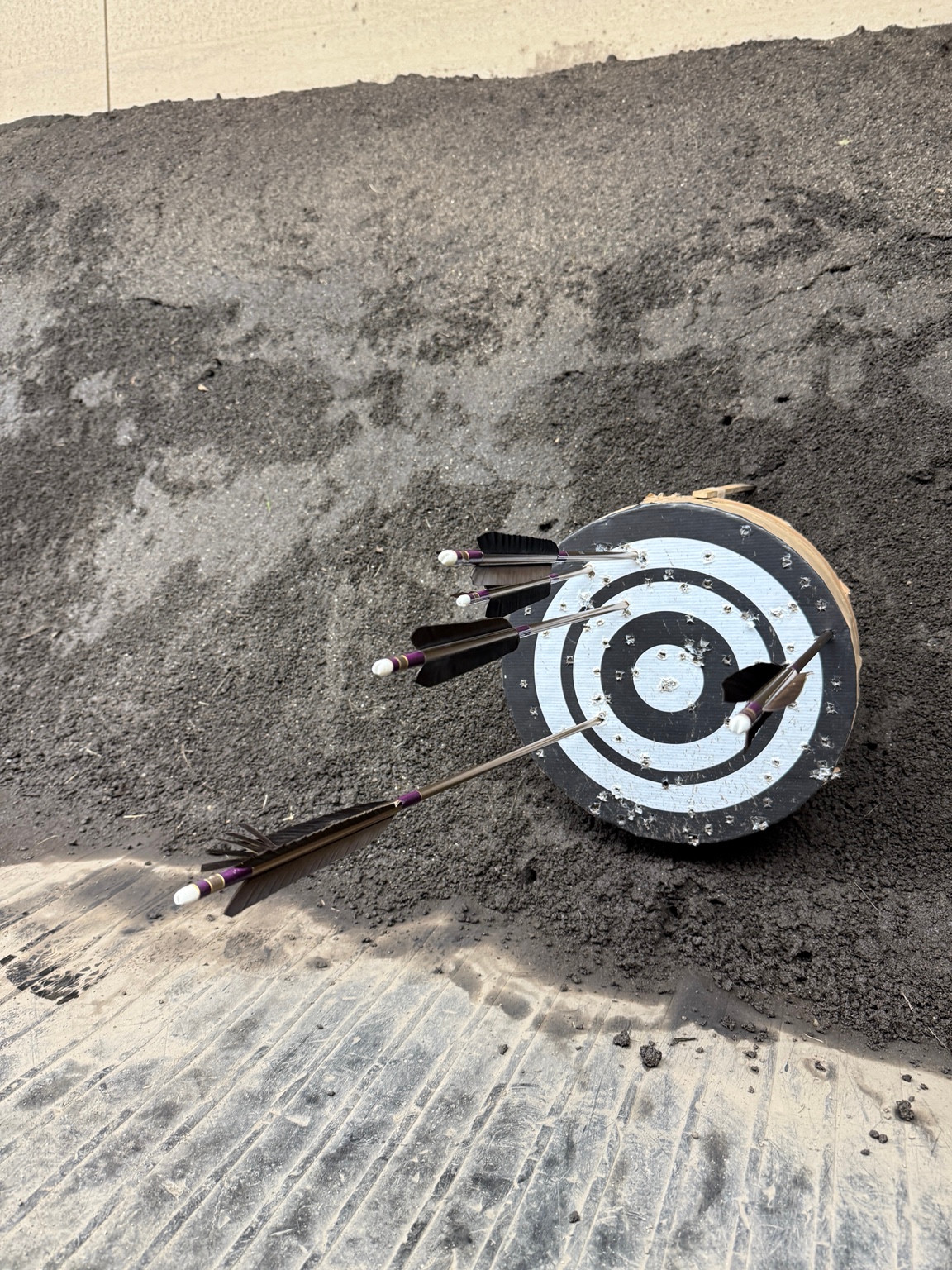
Why is the apparently individual act of drawing a bow linked with jin, a term associated with care for others? The saying Ueoka values, that shooting is a way of jin, invites us to consider the shot in relation to other people.一人で弓を引く営みに、なぜ「仁」という他者への思いやりを表す言葉が重なるのでしょうか。本書で著者が大切にしている「射は仁の道なり」は、射を人との関わりからも見直す入口になります。
All readers共通
Finding the Next Question in a Missed Arrow外れた一本から次の課題を探す
After an arrow misses, how we receive the result also matters. When attention turns toward the conditions or the people around us, the book offers another starting point: look first for something within our own approach that can change.矢が外れた後は、その結果をどう受け止めるかも問われます。条件や周囲に目が向く時、本書が差し出すのは、まず自分に変えられる部分を探そうという視点です。

All readers共通
Reflection Is Not Endless Self-Blame自省と自分を責め続けることの違い
Looking for causes in oneself can sometimes be confused with harsh self-rejection. The book explicitly distinguishes taking responsibility for a mistake from continuing to blame oneself.自分に原因を求めるという言葉は、時に、自分を厳しく否定することと混同されます。しかし本書は、失敗を引き受けることと、自分を責め続けることを明確に分けています。
Experienced practitioners経験者向け
Why Reread the Same Manual同じ教本を読み直す意味
A passage read before can draw attention to something different when read again. The book explains the value of returning to the Kyudo Kyohon, the kyudo training manual, through changes in the reader's own experience.以前読んだ文章なのに、今読むと別のところが気になる。学びを続ける中では、そんな経験があります。本書は、弓道教本を何度も読む意味を、読み手自身の変化から説明しています。
Experienced practitioners経験者向け
Bringing Everyday Practice to a Teacher日常の取り組みを師に見てもらう
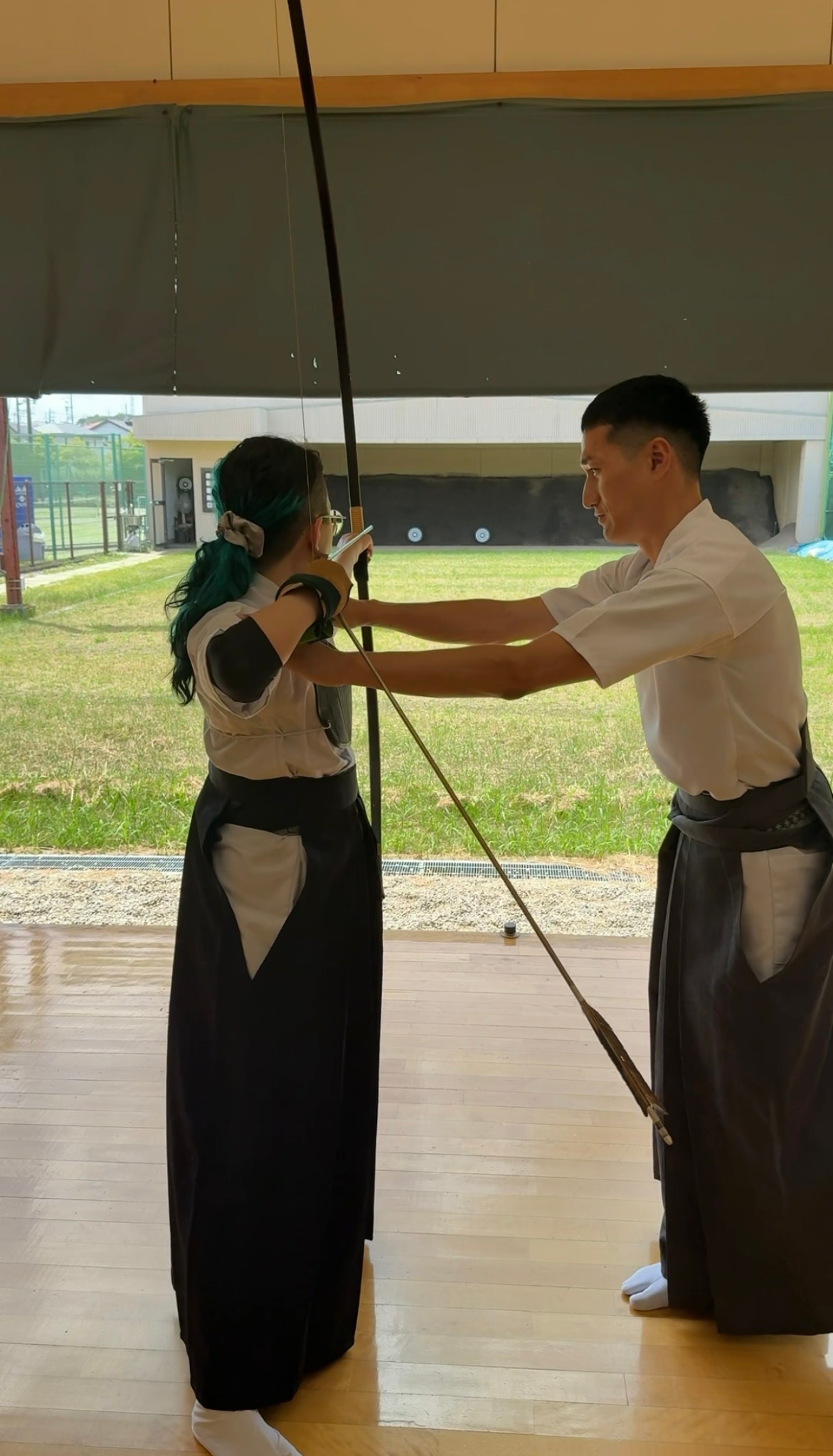
Do we see instruction as a time to be taught everything from the start, or as a time to check what we have been working on? Ueoka describes practice as a cycle between daily life and the dojo.指導を受ける時間を、すべてを一から教わる場と考えるか、自分の取り組みを確かめる場と考えるか。本書で著者が語る稽古は、日常と道場を行き来する循環として描かれています。
Experienced practitioners経験者向け
The Questions We Find Through Teaching教えることで見つかる自分の問い
We may be able to do something yet struggle to explain it to someone else. In the book, teaching less experienced practitioners becomes an opportunity for Ueoka to examine his own understanding again.自分ではできていても、人に説明しようとすると言葉が出てこない。本書では、後輩や初心者を教える経験が、自分の理解をもう一度確かめる機会になったと語られています。
All readers共通
Reading Sha Soku Jinsei Through Daily Life射即人生を日常から読む
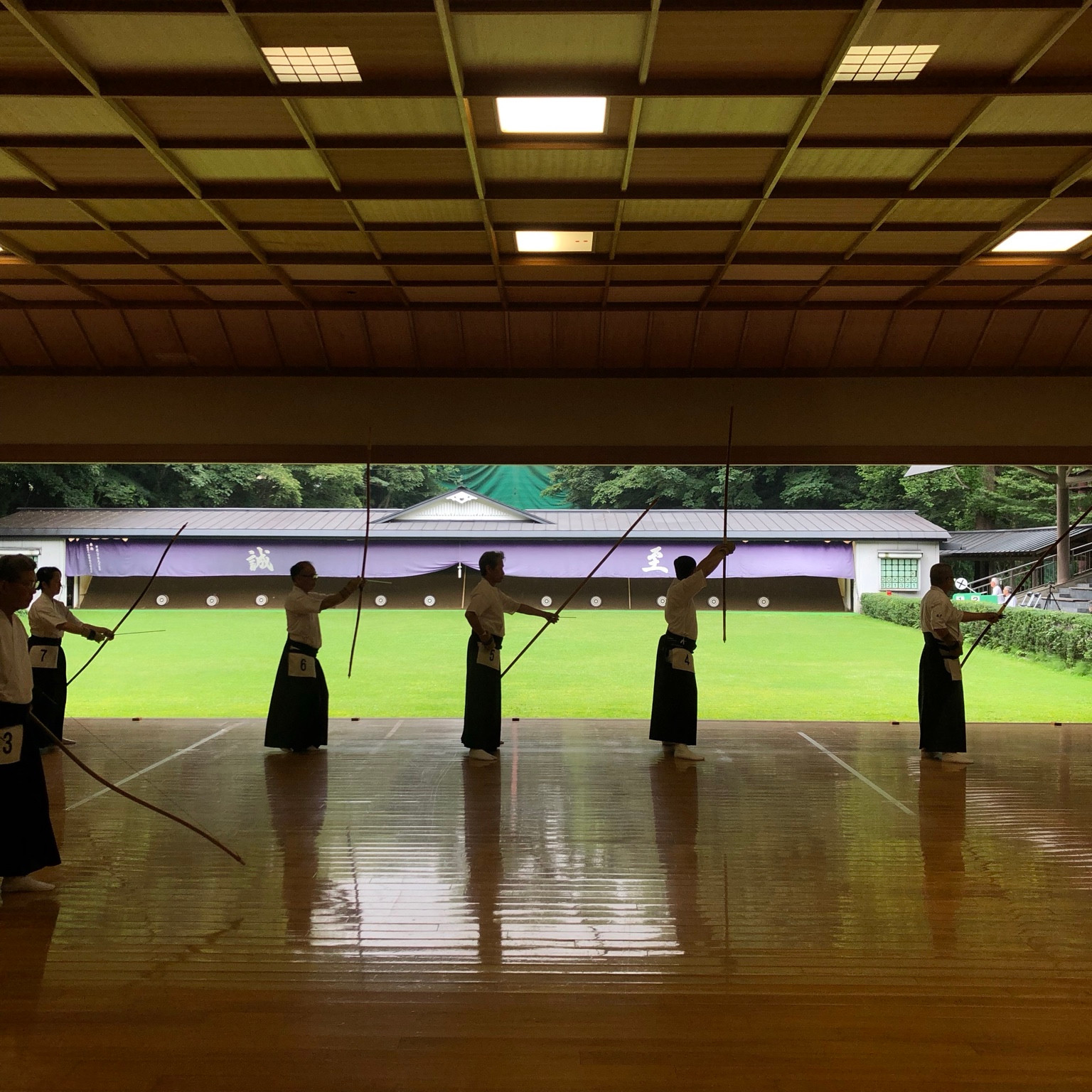
Sha soku jinsei expresses a view of shooting and life as inseparable. The book connects a single shot with the accumulation of daily attitudes and ways of treating people, rather than viewing it as an isolated special occasion.「射即人生」は、射と人生を切り離さずに捉える言葉です。本書では、一本の射を特別な場面だけの出来事と見ず、毎日の姿勢や人との接し方の積み重ねと重ねています。
Experienced practitioners経験者向け
Returning to the Familiar at Shinsa and Tournaments審査や大会でいつも通りを確かめる
At an important event, it is natural to want to look better and achieve a good result. Ueoka describes approaching shinsa, or grading examinations, and tournaments by returning to his everyday shooting rather than trying to become someone special that day.本番では、いつもよりよく見せたい、よい結果を出したいと思うものです。著者が審査や大会で意識してきたのは、その日に特別な自分になることより、普段の射を確かめることでした。
All readers共通
Composure as the Ability to Return平常心は揺れても戻れること
Composure can suggest a person who is never disturbed by anything. The book takes nervousness, fear, and discouragement as part of being human, and turns its attention toward the ability to return from them.平常心という言葉から、何があっても動じない姿を想像するかもしれません。本書の著者は、人が緊張し、怖さや落ち込みを感じることを前提に、そこから戻る力へ目を向けています。
All readers共通
Gi as a Question Before Self-Interest義は損得の前に問いを置くこと
Whether a choice benefits us is often easy to assess. Can we also consider whether we believe it is right? In the chapter on bushido, the book treats gi as a continuing question within everyday decisions.自分にとって得かどうかは、判断しやすい基準です。けれど、その選択を自分は正しいと考えられるか。本書の武士道の章では、「義」を、日々の判断の中で問い続ける姿勢として捉えています。
All readers共通
Yu Does Not Mean Feeling No Fear勇は怖さをなくすことではない
Is a courageous person someone who feels no fear? The book allows fear and a necessary step forward to coexist. Yu, understood here as courage, cannot be measured by the absence of apprehension alone.勇気がある人は、恐れを感じない人なのでしょうか。本書では、怖さがあることと、必要な一歩を踏み出すことは両立すると考えます。恐れの有無だけでは、勇を測れません。
All readers共通
Strength and Kindness in Jin仁に見る強さと優しさ
Once strength has been developed, how will it be used? The book's discussion of jin is connected with this question. Rather than judging others solely by what we can do, it asks us to notice their pain and difficulties too.強さを身につけた後、その力をどう使うか。本書の「仁」は、この問いと結びついています。自分ができることを基準に相手を責めるのでなく、相手の痛みや難しさにも目を向けます。
All readers共通
Rei in the Use of Power礼は力の使い方にも表れる
Courtesy is not only for people in less powerful positions. The book presents rei as especially important when a person holds greater power or authority and must take care not to disregard others.礼は、立場が弱い人だけが身につけるものではありません。本書では、力を持っている時ほど相手を粗末にしないためのものとして、礼の意味が語られています。

All readers共通
Makoto in Small Commitments誠を小さな約束で確かめる
How do we close the distance between speaking about a great purpose and keeping today's promise? This is one approach to makoto, sincerity, in the book. Trust is not treated as something demonstrated only on exceptional occasions.大きな志を語ることと、今日の約束を守ること。その距離をどう縮めるかが、本書の「誠」を読む手掛かりです。信頼は、特別な場面だけで示されるものとして扱われていません。
All readers共通
A Goal Also Changes the Days Before It目標はそこへ向かう日々も変える
Does a goal have value only at the moment it is achieved? The book draws attention to how choosing a goal can change ordinary life, and how the habits developed along the way can remain afterward.目標の価値は、達成した瞬間だけにあるのでしょうか。本書は、目標を定めたことで普段の生活が変わり、その過程で得た習慣が後にも残るという点に注目しています。
All readers共通
Reading Misogi as a Time to Let Go禊の記述から手放す時間を考える
When learning, we often focus on adding knowledge or skill. The book's discussion of misogi, a purification practice, turns attention toward examining what we carry, including pride and attachment.学ぶ時には、知識や技術を増やすことへ意識が向きます。本書の禊の記述は、それとは別に、見栄や執着など、自分が抱え込んでいるものを見直す時間へ目を向けさせます。
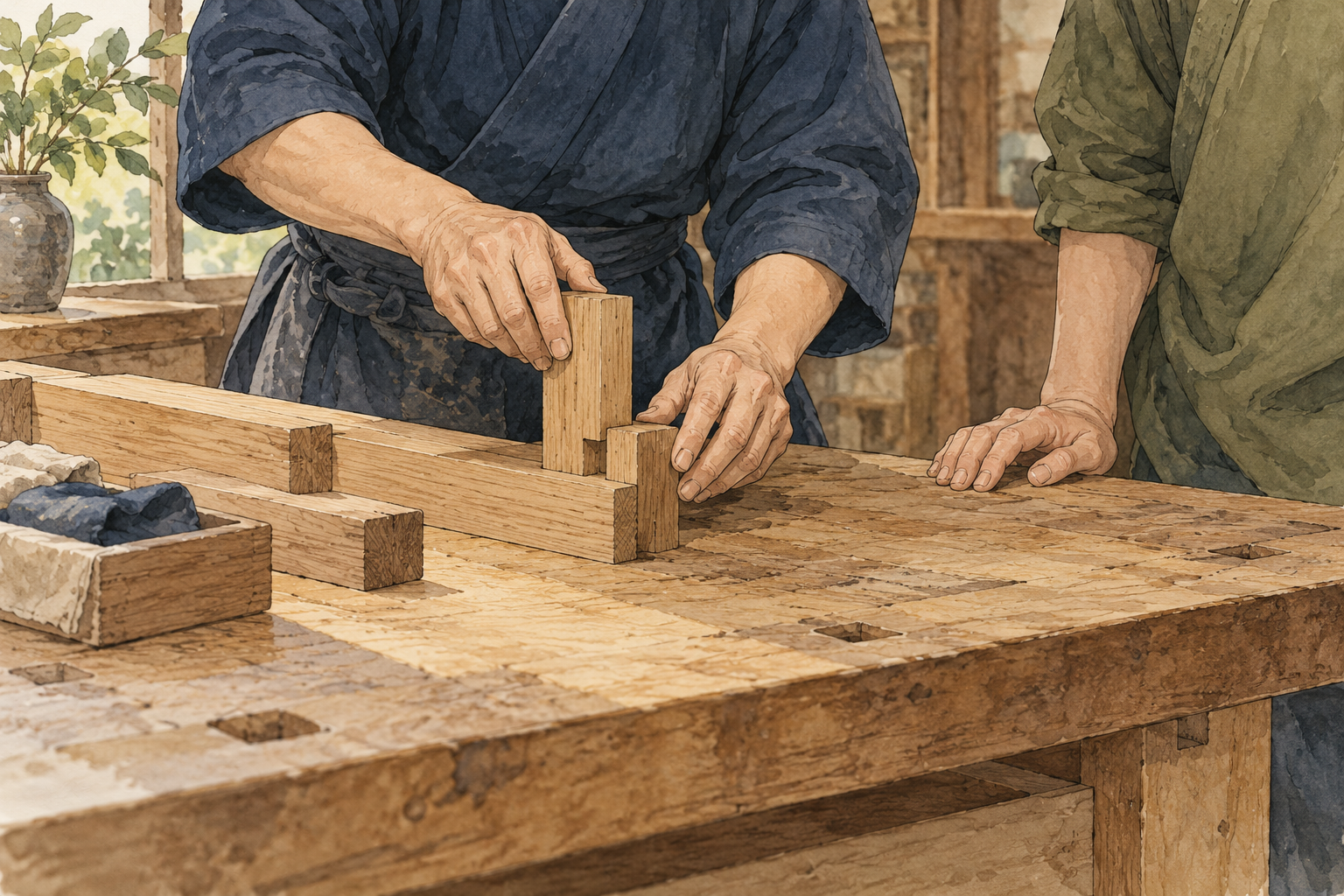
All readers共通
What to Change in Order to Pass Something On受け継ぐために何を変えるか
Does preserving a tradition mean leaving every form unchanged? Through Ueoka's response to the rebuilding at Ise known as Shikinen Sengu, the book considers renewal as a way of passing on what matters.伝統を守ることは、すべてを同じ形のまま残すことでしょうか。本書では、伊勢の式年遷宮に対する著者の捉え方から、大切なものを受け継ぐために更新するという視点が示されています。
All readers共通
Choosing Your Own Target in Life人生で自分の的を決める
In kyudo, the target stands before us. In life, we have to consider for ourselves what to call success and what to value. Chapter 5 begins from this difference to ask about choosing one's own way.弓道では、射る的が目の前にあります。けれど人生では、何を成功と呼び、何を大切にするかを、自分で考えなければなりません。本書の第五章は、その違いから自分の道を問い直します。
Training camp for experienced overseas practitioners海外経験者向け合宿
Bringing Camp Questions Back to Everyday Practice合宿で得た問いを日常の稽古へ戻す
How can an intensive period of learning retain value beyond the stay itself? This article is an editorial application of the book's cycle of daily work and a teacher's observation to reflection after a training camp for experienced kyudo practitioners visiting from overseas.集中して学ぶ時間の価値を、滞在中の成果だけで終わらせないために何ができるでしょうか。この記事は、本書の「日常で取り組み、師に見てもらう」という考えを、海外の弓道経験者向け合宿の振り返りへ応用した編集案です。