Whether a choice benefits us is often easy to assess. Can we also consider whether we believe it is right? In the chapter on bushido, the book treats gi as a continuing question within everyday decisions.
Ueoka emphasizes that praise, the risk of being found out, and other external judgments should not determine conduct on their own. Even when no one else is watching, we are present at our own decisions. He sees this awareness as a basis for judgment. This is his interpretation of bushido as a set of questions for contemporary life.
If gi becomes a declaration that we alone are right, it can also stop us listening to another person's circumstances. A useful reading of the article is therefore as a question that exposes our own convenience, rather than a word for judging others. When it would be easier to omit an explanation, for example, are we giving the other person the information they need? There may be no immediate single answer. We can still avoid deciding only by advantage and examine our reasons. The attitude of reviewing our own shooting can extend into this kind of everyday choice.
自分にとって得かどうかは、判断しやすい基準です。けれど、その選択を自分は正しいと考えられるか。本書の武士道の章では、「義」を、日々の判断の中で問い続ける姿勢として捉えています。
著者は、他人に褒められるか、見つかるかという外側の評価だけで、自分の行動を決めないことを重視します。誰も見ていない時にも、自分の選択には自分が立ち会っている。その感覚を持つことが、判断の軸になると述べています。これは、現代を生きる自分への問いとしての武士道解釈です。
義を自分の正しさの宣言にしてしまうと、相手の事情を聞かなくなる危うさもあります。記事として受け取りたいのは、他者を裁く言葉ではなく、自分の都合に気づくための問いです。例えば、説明を省く方が楽な場面で、相手に必要な情報を伝えているかを考える。すぐに一つの正解が出なくても、損得だけで結論を急がず、選択の理由を確かめます。道場で自分の射を省みる姿勢は、この日常の判断にもつながっていきます。
Source: 出典:Chapter 3, “Bushido Is Not Simply a Warrior's Fighting Technique” and “Gi”; manuscript pp. 28-29.第三章「武士道とは、侍の戦い方ではない」「義」/原稿28–29頁
About the source & images出典と画像について
These are editorial drafts based on the manuscript, for author review. They have not yet been checked against the final published edition. Page references are manuscript pages, not published-edition pages. The English text translates these editorial columns; it is not quoted from an English edition. English section titles are translations for reference, not verified official titles.原稿ベースの著者確認用編集稿です。刊行最終版との照合は未完了です。出典頁は61頁原稿の頁番号で、刊行版の頁番号ではありません。英語はこの編集コラムの翻訳であり、英語版書籍からの引用ではありません。英語の章節名は参照用の訳で、正式英語題として確認したものではありません。
Third-person editorial explanation, not first-person author testimony. Technical passages are not unsupervised practice instructions. No performance guarantees. Religious material reflects the author’s personal interpretation, not a participation requirement. Article 30 applies the manuscript to camp follow-up as an editorial proposal; the book does not describe a camp. First-time day experiences and camps for experienced overseas practitioners remain distinct.第三者による編集解説で、著者本人の一人称の証言としては書いていません。技術記事は単独練習の手順書ではなく、成果を保証しません。宗教的記述は著者個人の解釈で、参加条件ではありません。30番の合宿後への適用は書籍外の編集提案です。初心者の日帰り体験と海外経験者向け合宿を区別します。
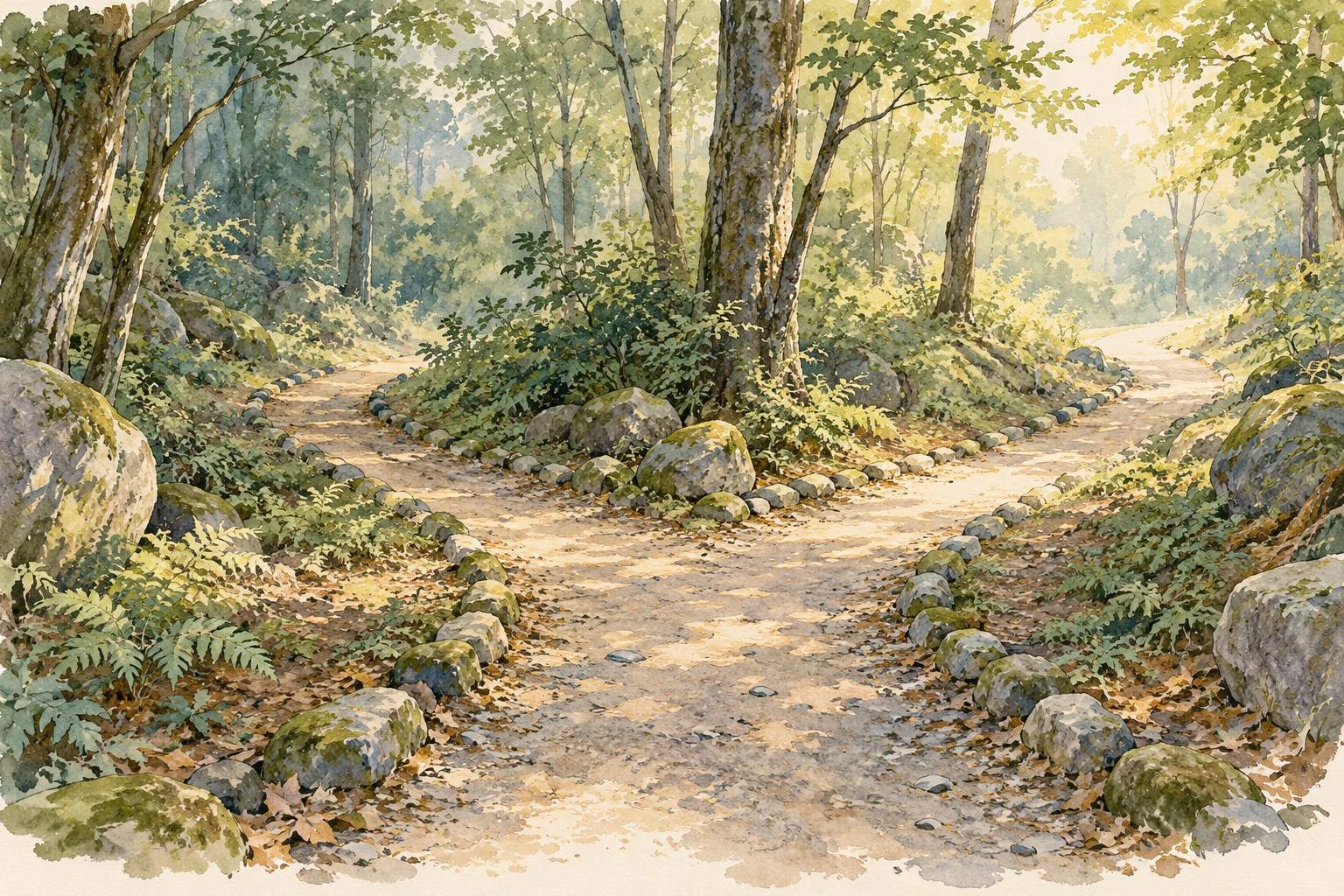
Photographs are owner-supplied. AI illustrations are fictional contextual images, not documentary photographs or technical diagrams.写真は本人提供。AI生成イラストは架空の情景で、記録写真や技術図ではありません。