Many people first understand kyudo as the skill of sending an arrow into a target. In The Way of Soul, Kensuke Ueoka also considers how learning that skill can become an opportunity to examine the way we conduct ourselves.
The opening chapter contrasts jutsu, the techniques used to do something well, with do, a way of developing oneself through that practice. This does not diminish the importance of technique. Rather, the book sees posture, courtesy, breathing, and the attitude brought to a shot as part of the same activity. Seeking a result and examining how we approach it belong within one practice.
A first-time participant need not understand all of this immediately. Asking why a particular action is performed can be a starting point. Experienced practitioners, too, can reconsider the purpose of familiar movements. Alongside the number of arrows that hit, we can reflect on how we spent our time in practice. This is one way to begin understanding what the book means by the Way.
弓道を、的に矢を当てる技術として知る人は多いでしょう。上岡賢輔著『道 The Way of Soul』は、その技術を身につける過程で、自分の在り方を問い直すことにも目を向けます。
序章では、何かを上手に行うための「術」と、その営みを通して人間を磨く「道」が対比されています。ここで技術が軽んじられているわけではありません。的へ向かう一本の矢には、立ち方や礼、呼吸、射に向き合う気持ちも関わるという見方です。結果を求めることと、結果に至る自分を見つめることが、同じ稽古の中にあります。
初めての体験では、すぐにこの意味が分からなくてもかまいません。なぜその所作を行うのかという疑問が、学びの入口になります。経験者にとっても、慣れた動作を目的から考え直す余地があります。何本中ったかに加えて、その時間をどのように過ごしたかを振り返る。そこから、本書のいう「道」の輪郭が見えてきます。
Source: 出典:Opening chapter, “Jutsu and Do” and surrounding discussion; manuscript pp. 7-8.序章「術」と「道」ほか/原稿7–8頁
About the source & images出典と画像について
These are editorial drafts based on the manuscript, for author review. They have not yet been checked against the final published edition. Page references are manuscript pages, not published-edition pages. The English text translates these editorial columns; it is not quoted from an English edition. English section titles are translations for reference, not verified official titles.原稿ベースの著者確認用編集稿です。刊行最終版との照合は未完了です。出典頁は61頁原稿の頁番号で、刊行版の頁番号ではありません。英語はこの編集コラムの翻訳であり、英語版書籍からの引用ではありません。英語の章節名は参照用の訳で、正式英語題として確認したものではありません。
Third-person editorial explanation, not first-person author testimony. Technical passages are not unsupervised practice instructions. No performance guarantees. Religious material reflects the author’s personal interpretation, not a participation requirement. Article 30 applies the manuscript to camp follow-up as an editorial proposal; the book does not describe a camp. First-time day experiences and camps for experienced overseas practitioners remain distinct.第三者による編集解説で、著者本人の一人称の証言としては書いていません。技術記事は単独練習の手順書ではなく、成果を保証しません。宗教的記述は著者個人の解釈で、参加条件ではありません。30番の合宿後への適用は書籍外の編集提案です。初心者の日帰り体験と海外経験者向け合宿を区別します。
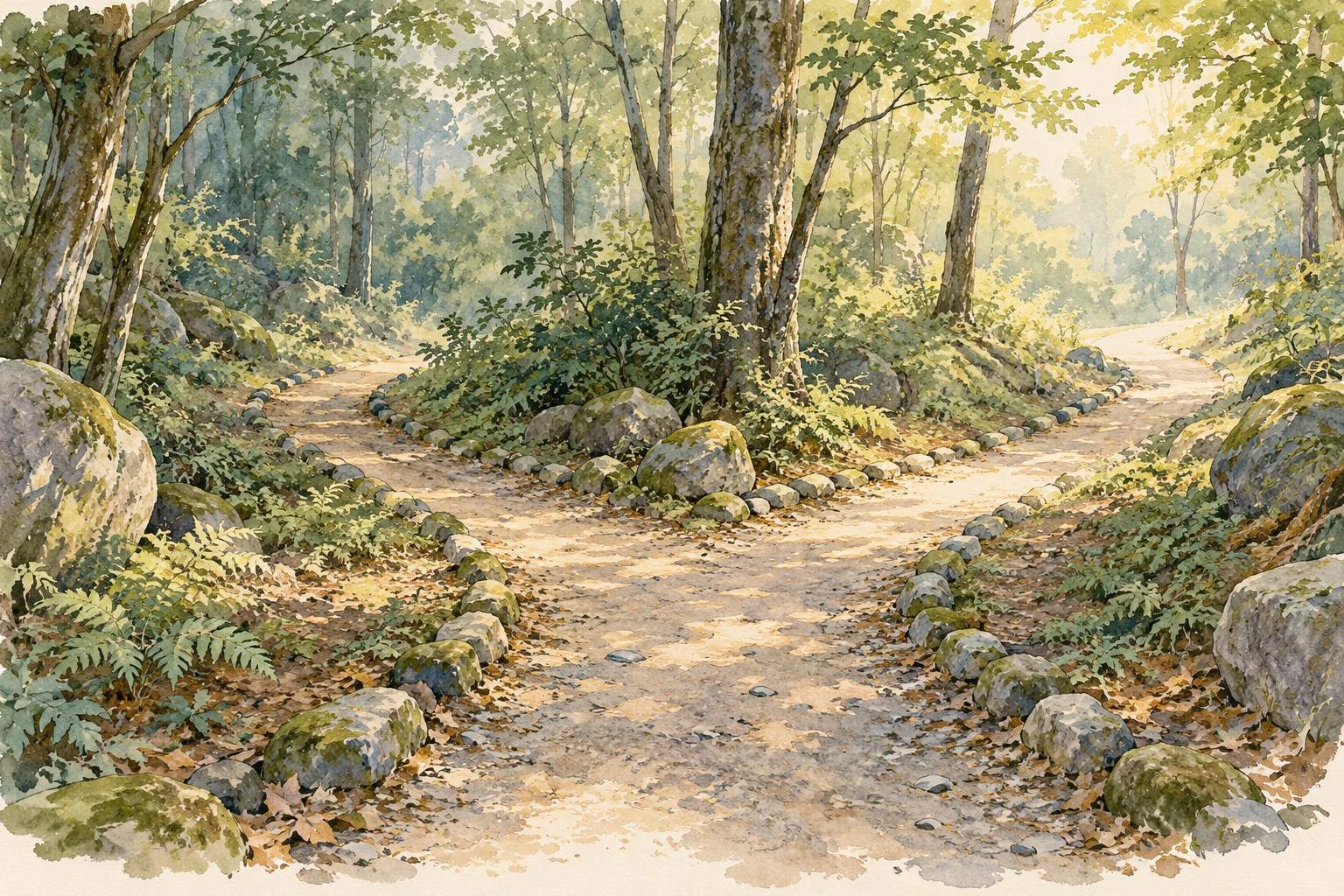
Photographs are owner-supplied. AI illustrations are fictional contextual images, not documentary photographs or technical diagrams.写真は本人提供。AI生成イラストは架空の情景で、記録写真や技術図ではありません。